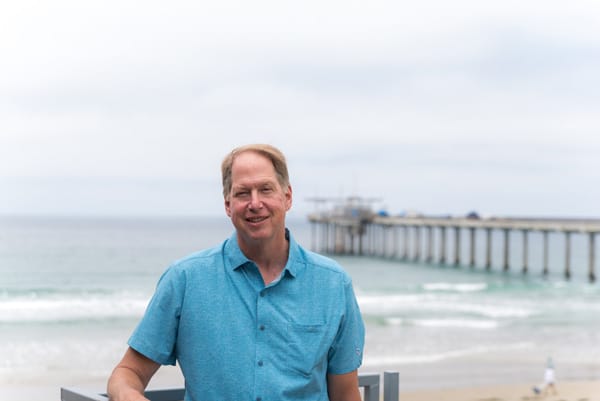
In November 2025, I flew across the largest and deepest ocean on Earth and landed in Japan for a week of discovery and collaboration (and amazing food!) at the North Pacific Marine Sciences Organization (PICES) annual meeting. PICES promotes and coordinates marine research in the North Pacific. The conference brought together over 600 ocean professionals from across the North Pacific to explore Innovative Approaches and Applications to Foster Resilience in North Pacific Ecosystems.
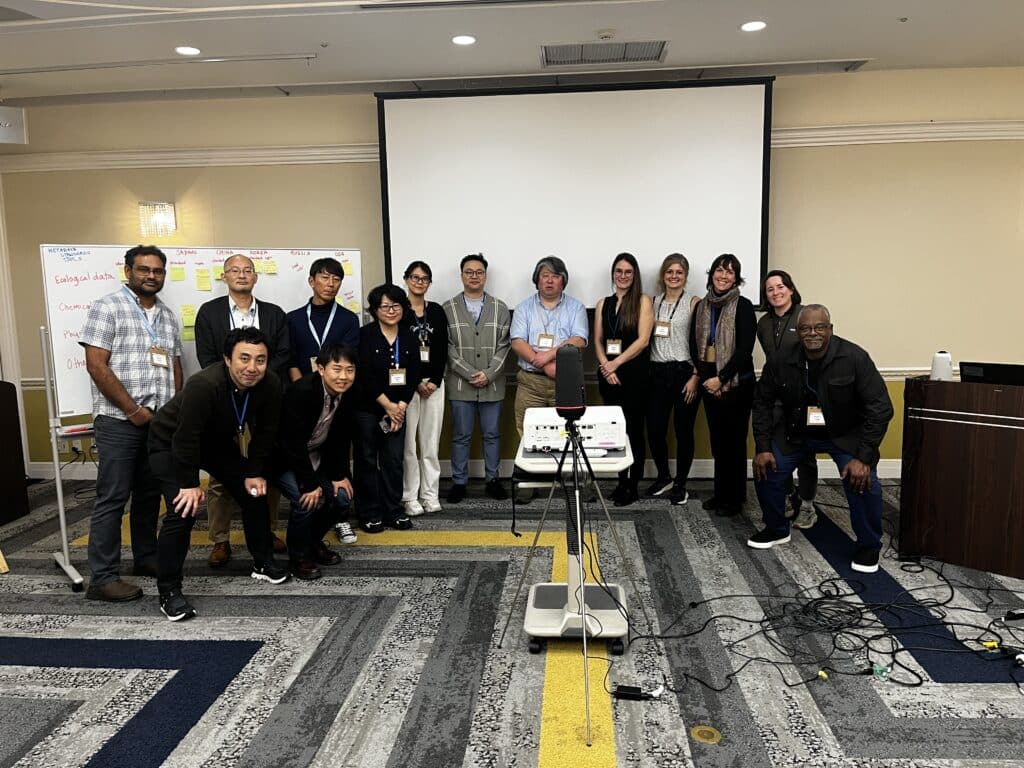
I led a half-day workshop, Effective Strategies Across Ocean Data Lifecycles: Enhancing Ocean Data Management and Mobilization, bringing together 25 participants from China, Korea, the United States, Canada, and Japan. During the workshop, we tackled the real-world challenges of ocean data such as how to integrate, document, and share it effectively, building off of a conceptual diagram developed at a PICES 2024 workshop (PICES Press 2024). The workshop illuminated a few key findings: 1) there is general agreement on what is needed for core metadata information, 2) metadata standards vary across countries and programs, although some global standards exist, 3) metadata generation can be streamlined with novel tools coupled with human oversight, and 4) metadata is published in a range of repositories across the North Pacific, although there is opportunity to federate existing metadata.
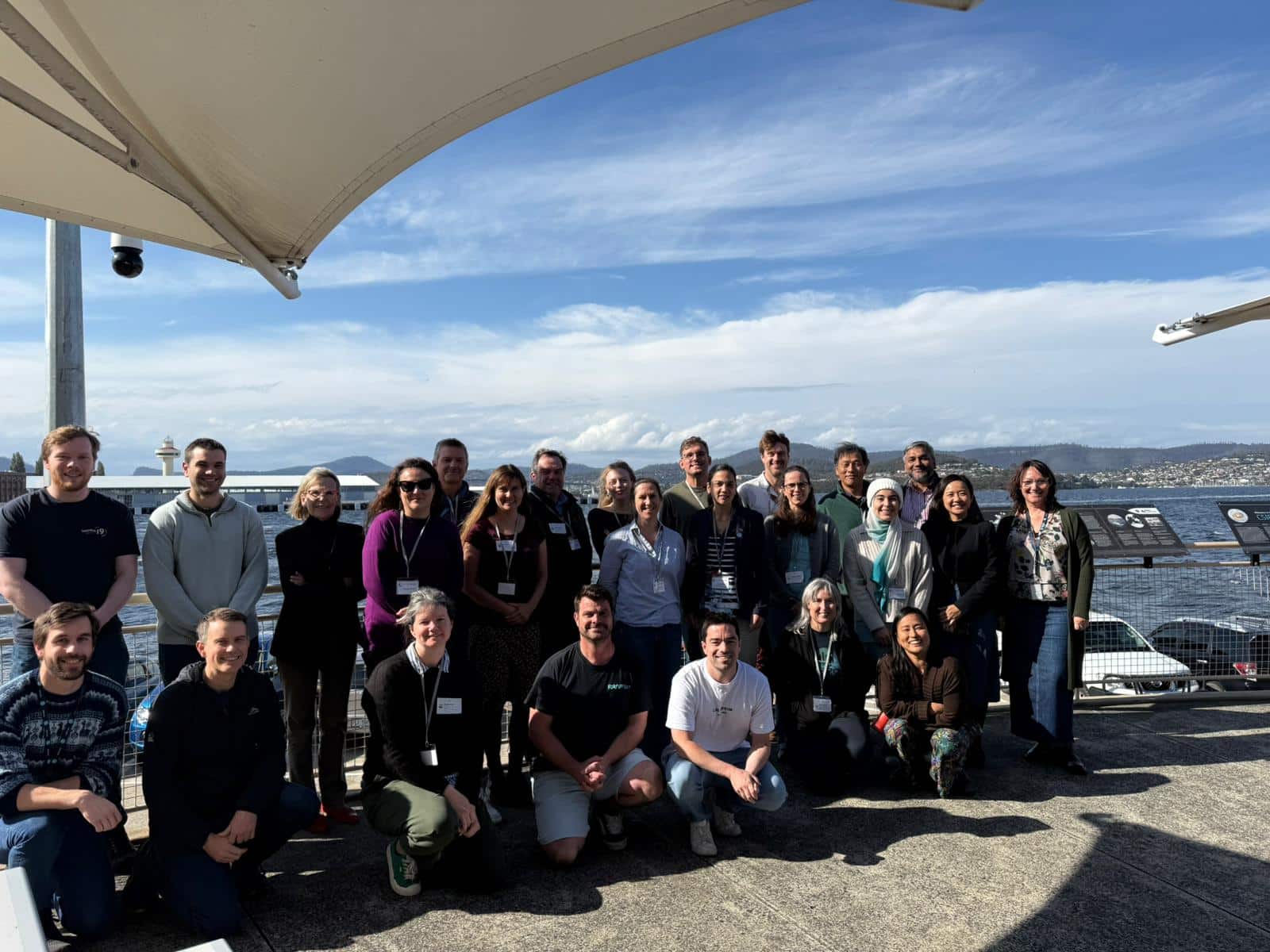
I also co-led a full-day workshop on Climate-Ready Fisheries Management, co-sponsored by ICES, where 40 participants explored how environmental information can guide ecosystem-based fisheries management, identify gaps in existing tools, and chart a course toward decision-making resilient to climate change. Participants emphasized that two-way communication between scientists and managers is key to producing useful, relevant science, starting with co-designed questions and moving toward pilots, concrete examples, and synthesized products. Momentum is growing around shared North Pacific challenges such as marine heatwaves, extreme events, shifting ecosystems, biodiversity targets, harmful algal blooms, and fisheries.
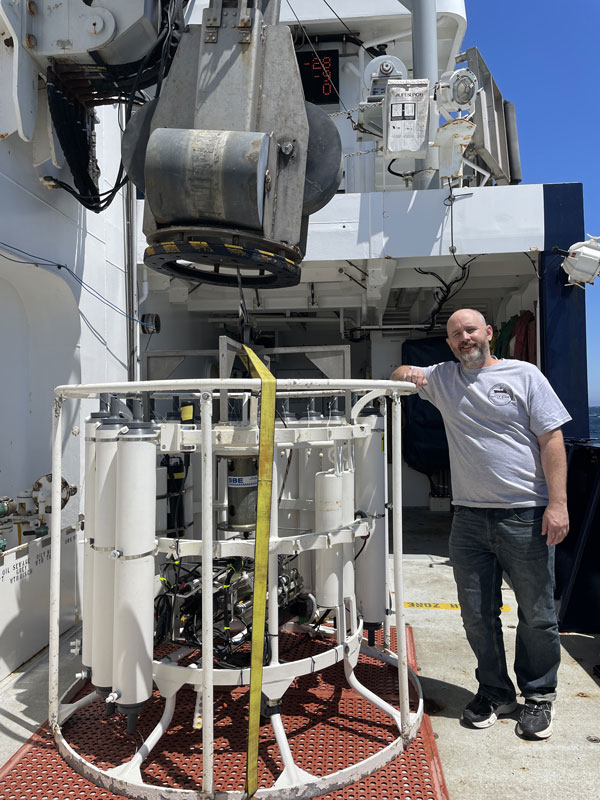
Additionally, I presented in a session on Changing Ecosystem Structure Under Global Climate Change, sharing the essential role of large research vessels in sustaining marine ecosystem observations. Between workshops and presentations, I participated in several PICES committee meetings to which I have been appointed, including the Advisory Panel on the United Nations Decade of Ocean Science (AP‑UNDOS), the Scientific Steering Committee of the PICES integrated science program – FUTURE (FUTURE‑SSC), the Technical Committee on Data Exchange (TCODE), and I represented the Working Group on Data Management (WG‑52).
Ultimately, I value the PICES community and the chance to gather in person with friends and colleagues from across the North Pacific to share how we do science, exchange experiences, and learn from one another. One of my favorite traditions is the PICES swim, which feels like a metaphor for the conference itself: refreshing, energizing, and a way to dive in and really connect with people in person. I always come away inspired, having learned so much, and deeply grateful for these relationships and collaborations.